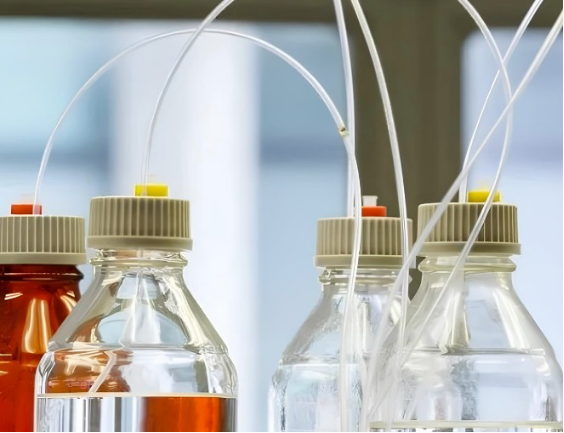
Drug discovery teams rely on DMPK services to understand how a new compound behaves in the body. These studies reveal how a drug is absorbed, distributed, metabolized, and excreted, and how long it stays in systemic circulation. By combining ADME assays with pharmacokinetic profiling, DMPK scientists predict human exposure, potential interactions, and safety margins. Sponsors use this data to decide which candidates move forward, which need optimization, and which should be stopped early. Well-designed DMPK programs reduce late-stage failures, save development costs, and support regulatory submissions. As a result, DMPK services now sit at the core of evidence-based decision-making in modern drug development pipelines.
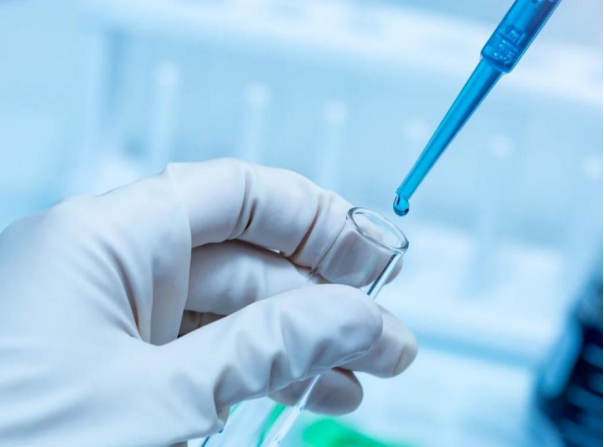
Core Components of DMPK Services
In Vitro ADME Testing
In vitro ADME testing uses cell-based and biochemical assays to study a compound before animal or human dosing. Scientists measure solubility, stability in biological matrices, and permeability across membranes such as Caco-2 or MDCK. They evaluate plasma protein binding to estimate free drug levels and use liver microsomes or hepatocytes to assess metabolic stability and clearance. Enzyme phenotyping and CYP inhibition studies help predict drug–drug interaction risks. Transporter assays identify whether efflux or uptake transporters limit exposure or impact tissue distribution. These rapid, relatively low-cost tests allow teams to compare many analogs, rank them, and filter out candidates with poor ADME properties before investing in more complex in vivo pharmacokinetic studies.
In Vivo Pharmacokinetic Studies
In vivo pharmacokinetic studies examine how a compound behaves in the whole organism under clinically relevant conditions. Teams dose animals by routes such as intravenous, oral, or subcutaneous and collect serial blood samples, plus key tissues when required. Bioanalytical scientists quantify drugs and metabolites using validated LC-MS/MS methods to generate concentration–time profiles. Pharmacokineticists then compute parameters like Cmax, Tmax, AUC, half-life, clearance, and volume of distribution. They may also study bioavailability, multiple-dose accumulation, and food effects. Comparative studies across species help select suitable preclinical models and support human dose projections. These in vivo PK data link exposure to efficacy and safety signals, forming the basis for rational candidate selection and clinical trial planning.
Workflow of DMPK in Drug Development
Compound Screening and Selection
The DMPK workflow starts with high-throughput screening of early hits and lead series. Project teams send panels of analogs to DMPK labs for rapid in vitro assays that measure solubility, permeability, metabolic stability, and protein binding. Scientists rank the compounds based on composite scores that reflect exposure potential and developability. They flag liabilities like very high clearance, poor oral permeability, or strong CYP inhibition. Medicinal chemists then use this feedback to adjust structures and improve properties in iterative design–make–test cycles. Once compounds meet predefined DMPK criteria, teams move them into pilot in vivo PK studies. This staged approach ensures only the most promising candidates progress, improving efficiency and reducing downstream attrition.
PK Parameter Analysis and Interpretation
After bioanalysis, pharmacokineticists transform concentration–time data into meaningful parameters. They use noncompartmental or compartmental models to estimate Cmax, AUC, half-life, clearance, volume of distribution, and bioavailability. These values show how quickly the body absorbs, distributes, and eliminates the drug. Scientists compare parameters across doses, routes, and species to identify linearity or saturation. They relate exposure to pharmacodynamics, efficacy readouts, and observed safety findings. If exposure is too low, they may suggest formulation changes or structural modifications. If clearance is high, they explore metabolic pathways to guide design away from labile sites. Interpreting PK parameters in context allows teams to refine dosing strategies, select first-in-human doses, and justify decisions to regulatory agencies.

How DMPK Supports Decision-Making?
Early Risk and Toxicity Identification
dmpk services play a direct role in early risk and toxicity identification. In vitro assays detect reactive metabolite formation, time-dependent CYP inhibition, and off-target enzyme or transporter effects. These findings can explain liver enzyme elevations or organ findings seen in toxicology studies. In vivo PK and tissue distribution data reveal whether high exposure in sensitive organs, such as the liver or heart, may drive observed adverse effects. Scientists also assess accumulation with repeat dosing and potential for drug–drug interactions in polypharmacy settings. By integrating these data, project teams spot high-risk liabilities before entering expensive clinical trials. They can then stop, redesign, or de-risk a program, improving patient safety and reducing the chance of late-stage failures.
Dose and Exposure Optimization
Dose and exposure optimization depends on tight collaboration between DMPK scientists, pharmacologists, and clinicians. Using PK data, teams estimate the exposure range that delivers target engagement and efficacy while maintaining an acceptable safety margin. They simulate different dosing regimens, routes, and formulations to reach desired Cmax, AUC, and trough concentrations. For oral drugs, DMPK experts consider food effects, absorption limits, and first-pass metabolism. They also explore modified-release or enabling formulations to smooth peaks or enhance bioavailability. Before first-in-human studies, scientists apply allometric scaling and modeling to project human PK and propose starting and escalation doses. This evidence-based approach supports rational dose selection, improves trial success chances, and provides regulators with transparent justification.
Conclusion
DMPK services guide drug candidates from early discovery to clinical evaluation by revealing how compounds move through and interact with the body. Integrated in vitro ADME and in vivo pharmacokinetic data allow teams to select better molecules, predict human exposure, and manage safety risks. These insights support crucial decisions on compound progression, formulation, dosing, and clinical trial design. As regulatory expectations and development costs increase, robust DMPK strategies have become essential, not optional. Organizations that invest in high-quality DMPK services can reduce late-stage attrition, protect patients, and bring effective therapies to market more efficiently. Understanding how DMPK works is now central to modern, data-driven drug development.